Chapada Diamantina is a common group-transport destination for private tours, events or planned excursions. A dedicated car, minibus or coach can link the destination with hotels, airports and other stops while keeping the group on one agreed itinerary.
Planning the journey
A good group transport plan starts with the exact pickup point, final destination, passenger count, luggage volume and timing. Brazil is a large country, so the same passenger number can require different vehicle choices depending on whether the job is a short hotel transfer, an airport movement, a full-day disposal or a multi-city itinerary. Providing the complete route early helps the transport team match capacity to the practical journey rather than selecting a vehicle on seats alone.
Group access and itinerary design
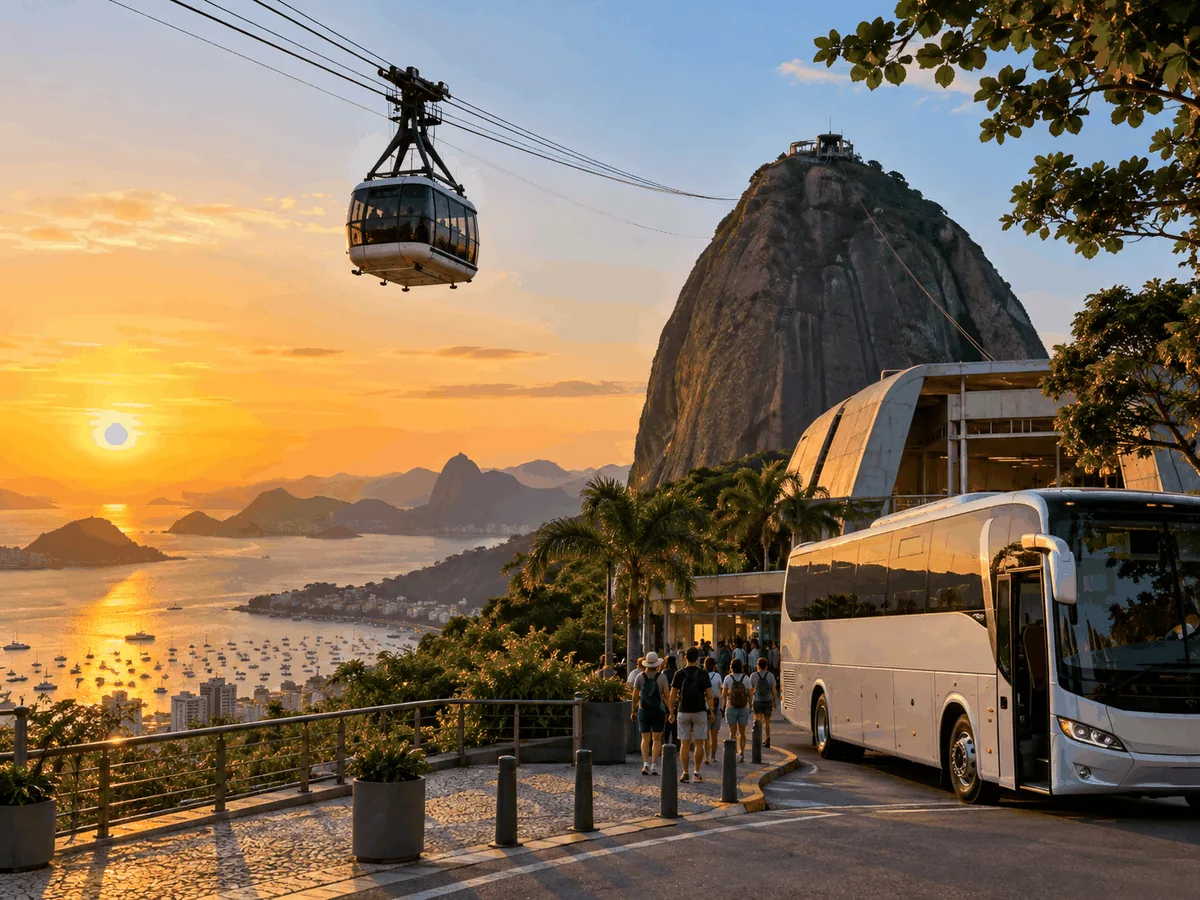
When visiting Chapada Diamantina, the itinerary should allow time for group unloading, attraction access, ticketing and re-boarding. Large coaches may use different access points from private cars. Where the visit is part of a full-day tour, it is better to plan all stops together so the route is efficient and driver hours remain workable.
Vehicle choice and luggage
Passenger capacity is only one part of vehicle selection. Groups arriving on international flights, sports teams, touring parties and cruise passengers can carry substantially more luggage than a local event group. Tell the booking team about suitcases, equipment, mobility needs and unusual items before confirmation. Vehicle specifications vary by operator and location, so requested features such as larger luggage holds, executive interiors, USB power or onboard facilities should be confirmed for the vehicle actually allocated.
Timing, traffic and access
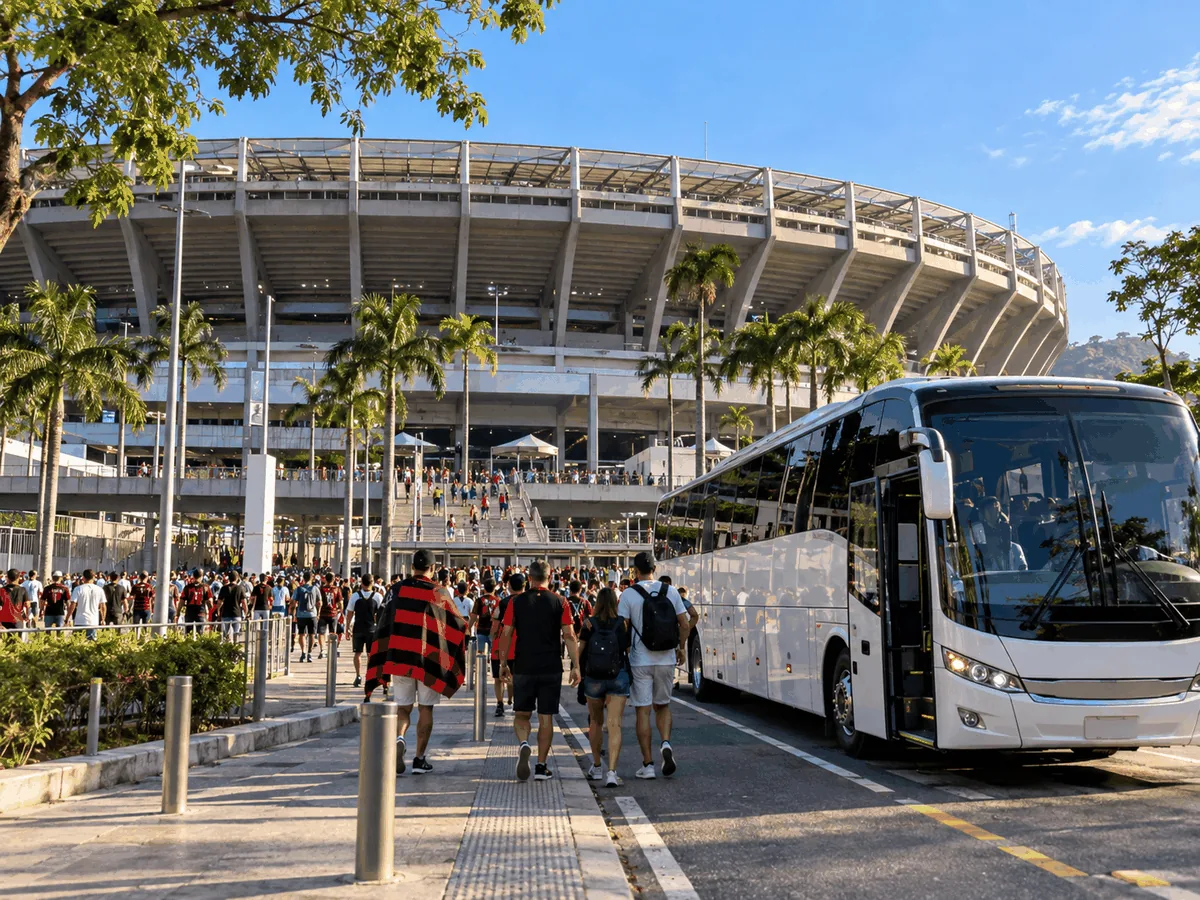
Major Brazilian cities can experience heavy congestion around business districts, airports, stadiums and event venues. Some historic centres, beach areas and attraction zones also have access restrictions or designated coach stopping points. A realistic itinerary should include loading time, passenger boarding, venue access and a sensible traffic allowance. For flights and time-sensitive events, the pickup time should be planned around the operating conditions of the route rather than just the map distance.
Multi-stop and return transport
Private transport is particularly useful when the same group needs several movements during one day. Hotel pickups, conference venues, restaurants, attractions and evening returns can be built into a single transport schedule. For multi-day travel, each date should be set out separately with accommodation, driver access, start and finish times and any days where the vehicle is required on standby. This reduces ambiguity and makes supplier pricing easier to compare.
Professional drivers and operating rules
Driver-included transport means the route must be planned around applicable driving and rest requirements as well as local access rules. Long-distance itineraries may require additional driver planning, overnight arrangements or a revised schedule. The final operating plan should therefore be confirmed before travel rather than assuming the vehicle can remain continuously available. Drivers also need clear contact details for the organiser and practical instructions for group collection points.
Booking information to provide
For the clearest quotation, send the travel date, pickup address, destination, passenger count, approximate luggage, required vehicle type and the complete itinerary. Add flight numbers for airport work, ship information for cruise transfers and venue names for events. If the group is flexible on vehicle size, say so. If an executive specification is essential, state that separately so the quote can be based on the correct category rather than a standard vehicle.